


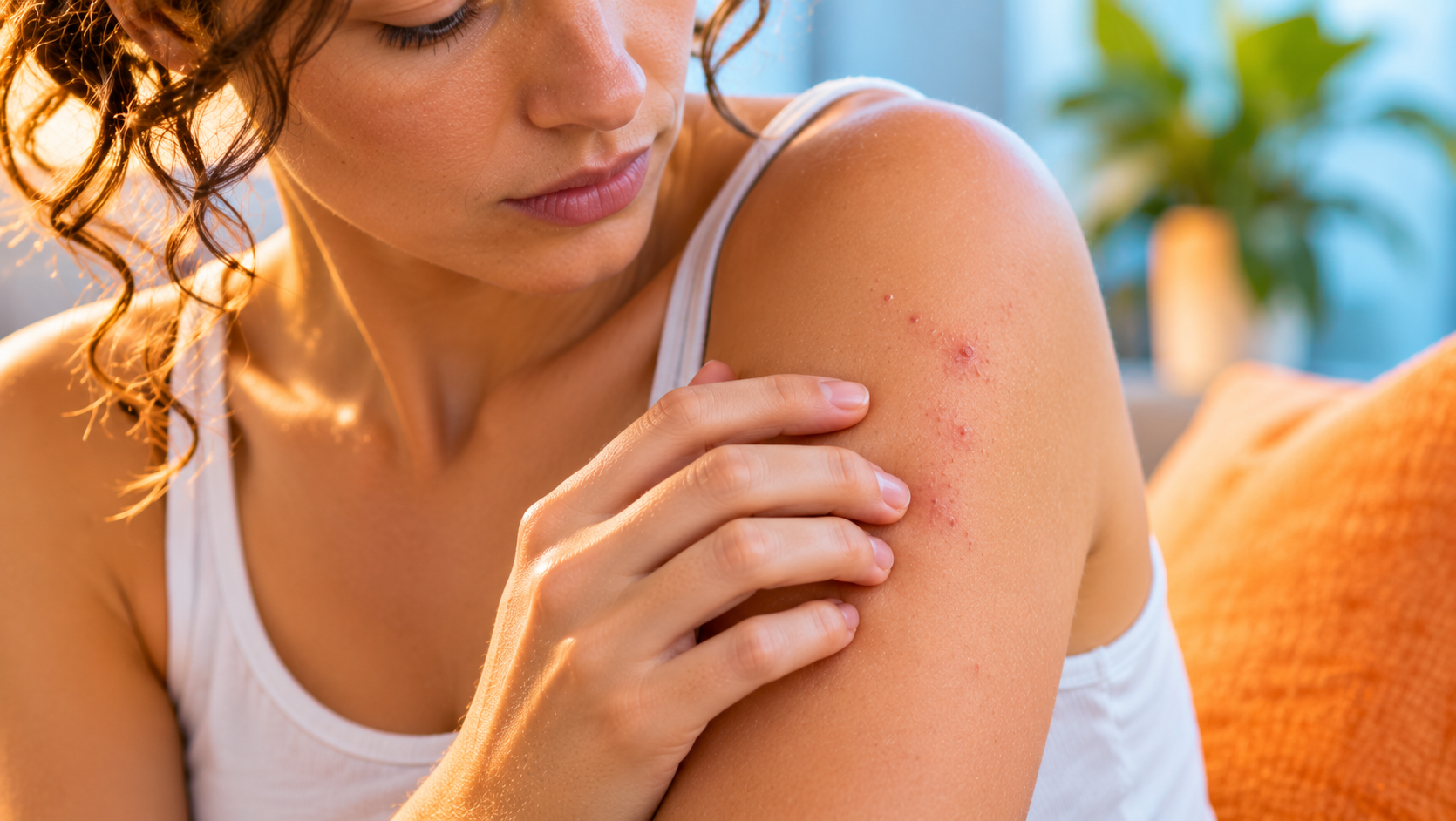

Skin picking may seem like a bad habit, but for some people, it becomes a persistent behavior that affects healthy skin and emotional well-being. Excoriation Disorder, also known as pathological skin picking, involves repeated urges to pick at the skin, often causing skin lesions and significant distress. Understanding why chronic skin picking develops and how the condition affects daily life can help individuals recognize when the behavior may signal a deeper mental health concern.
What Is Excoriation Disorder?
Excoriation Disorder, also known as skin-picking disorder or dermatillomania, is a mental health condition characterized by repetitive, compulsive skin picking that causes skin damage. People with this disorder often struggle to control their picking behaviors, even when they experience pain, bleeding, scarring, or emotional distress. Excoriation Disorder is classified as an obsessive-compulsive and related disorder and can interfere with daily activities, relationships, self-esteem, and overall mental health. Skin picking may occur in response to stress, anxiety, boredom, or perceived skin imperfections, often providing temporary relief followed by guilt or frustration. Common areas affected include the face, arms, hands, and scalp, although picking can occur anywhere on the body.
Causes of Excoriation Disorder
Excoriation Disorder develops through a combination of genetic, psychological, neurological, and environmental factors, although the exact causes remain unclear. Differences in brain structure, brain function, emotional regulation, and impulse control may contribute to pathologic skin picking, while family history, anxiety, OCD, chronic stress, and other psychological problems may increase the risk. Dermatological conditions like acne and traumatic childhood events may contribute to Excoriation Disorder by triggering repetitive skin-picking behaviors.
Skin picking often develops in response to negative feelings, emotional distress, or uncomfortable physical sensations. Over time, focused picking can become a habit that provides temporary relief, making the behavior difficult to control. Individuals with self injurious skin picking may make repeated attempts to stop despite ongoing urges and skin damage.
Signs and Symptoms of Excoriation Disorder
Common signs and symptoms include:
- Repeated picking, scratching, or squeezing of the skin
- Visible sores, wounds, scabs, or scars
- Difficulty controlling or stopping skin picking
- Repeated unsuccessful attempts to stop picking
- Picking at acne, blemishes, or skin imperfections
- Excessive time spent examining or touching the skin
- Feelings of guilt, shame, or embarrassment
- Avoiding social situations due to skin damage
- Skin infections, bleeding, or delayed healing
- Difficulty concentrating on daily activities
What Triggers Excoriation Disorder?
Common triggers include stress, anxiety, boredom, frustration, and emotional distress. Physical triggers include acne, scabs, dry skin, itching, and uneven skin texture. Mirrors, bright lighting, and prolonged inactivity may also increase skin-picking urges.
Some individuals pick automatically during everyday activities, while others consciously pick to relieve tension. Identifying triggers can help reduce repetitive behaviors and improve symptom management.
What are the Different Types of Skin-Picking Behaviors?
Excoriation Disorder involves several skin-picking behaviors that vary in awareness, triggers, severity, and the specific areas targeted.
- Automatic Skin Picking: Picking without conscious awareness during everyday activities.
- Focused Skin Picking: Conscious picking triggered by stress, emotions, or skin imperfections.
- Compulsive Skin Picking: Repeated picking that is difficult to resist despite negative consequences.
- Acne and Blemish Picking: Squeezing or scratching pimples, blackheads, minor skin irregularities, or other skin irregularities.
- Scab and Wound Picking: Reopening wounds or removing scabs before they heal.
- Skin Picking With Tools: Using tweezers, needles, or other objects to remove perceived imperfections.
How Does Excoriation Disorder Affect Mental Health?
Excoriation Disorder can affect emotional well-being, self-esteem, relationships, and daily functioning. Repetitive skin picking often creates a cycle of temporary relief followed by guilt, embarrassment, and emotional distress.
Common mental health effects include:
- Anxiety: Worry about skin appearance and difficulty controlling picking urges.
- Depression: Persistent shame, frustration, and social withdrawal.
- Obsessive-Compulsive Symptoms: Repetitive urges and fixation on skin imperfections.
- Social Anxiety: Fear of judgment and avoidance of social interactions.
- Low Self-Esteem: Negative body image and reduced confidence.
- Emotional Distress: Feelings of guilt, helplessness, and frustration.
- Chronic Stress: Increased tension that may worsen picking behaviors.
Who Is at Risk of Developing Excoriation Disorder?
Excoriation Disorder can affect people of all ages, but symptoms commonly begin during adolescence. The condition is diagnosed more frequently in females, although it affects all genders. Risk factors include family history, anxiety, OCD, depression, chronic stress, and difficulty regulating emotions. It is also considered a body focused repetitive behavior, and related conditions include hair pulling disorder (trichotillomania). About 38.3% of individuals with excoriation disorder also have trichotillomania, and body dysmorphic disorder is another condition with high comorbidity.
Is Excoriation Disorder a Form of OCD or Self-Harm?
The American Psychiatric Association classifies Excoriation Disorder as an obsessive-compulsive and related disorder, alongside conditions such as hoarding disorder, rather than an impulse control disorder. Key differences from OCD include the absence of required intrusive thoughts or rituals, while skin picking differs from intentional self-harm because the goal is usually tension relief rather than injury.
A systematic review in Neuropsychiatric Disease and Treatment (Neuropsychiatr Dis Treat) examines clinical features of adult skin picking and related psychological factors. Brain areas, nail biting, and other factors may influence how individuals pick at their skin and form habits. Resources from Massachusetts General Hospital and the TLC Foundation discuss wearing gloves and behavioral strategies, while alternative therapies need further research.
Prevalence of Excoriation Disorder
Excoriation Disorder affects an estimated 1.4% to 5.4% of the population, with symptoms often beginning in adolescence and occurring more frequently among females in clinical settings. Research estimates prevalence at 4% among college students and 2% among dermatology patients. Surveys found that 16.6% of respondents picked their skin to noticeable damage, while 63% of non-disabled adults reported some skin picking, which does not necessarily indicate a disorder. Many cases remain undiagnosed due to embarrassment or symptoms mistaken for grooming habits.
Effects and Risks of Excoriation Disorder
Short-Term:
- Skin irritation and inflammation
- Bleeding and open wounds
- Pain and discomfort
- Skin infections
- Emotional distress
- Difficulty concentrating
Long-Term:
- Permanent scarring
- Chronic skin infections
- Delayed wound healing
- Depression and anxiety
- Social isolation
- Reduced quality of life
- Severe tissue damage
How Is Excoriation Disorder Connected to Anxiety, OCD, and Depression?
Excoriation Disorder frequently co-occurs with anxiety disorders, obsessive-compulsive disorder (OCD), and depression. These conditions can increase emotional distress, trigger skin-picking urges, and make repetitive behaviors more difficult to control.
- Anxiety Disorders: Stress, nervousness, and excessive worry may trigger skin picking as a way to relieve tension.
- Obsessive-Compulsive Disorder (OCD): Both conditions involve repetitive behaviors, although OCD typically includes obsessions and compulsions that differ from skin-picking urges.
- Depression: Feelings of sadness, guilt, and low self-esteem may worsen picking behaviors and contribute to social withdrawal.
What Is the Connection Between Excoriation Disorder and Substance Use Disorders?
Excoriation Disorder can co-occur with substance use disorders, although skin picking is not classified as an addiction. Certain substances may increase anxiety, agitation, and repetitive picking behaviors.
- Methamphetamine: Can cause itching, crawling skin sensations, and compulsive scratching.
- Cocaine: May cause crawling skin sensations that trigger picking.
- Prescription Stimulants: Amphetamine and methylphenidate may occasionally worsen skin picking, especially when misused.
- Alcohol: Impaired impulse control and withdrawal-related anxiety may increase picking urges.
- Cannabis: May increase anxiety in some individuals, potentially triggering picking.
Substance-induced skin picking differs from Excoriation Disorder. Co-occurring conditions may benefit from integrated mental health and addiction treatment.
How Is Excoriation Disorder Diagnosed?
Excoriation Disorder is diagnosed through a clinical evaluation by a qualified mental health professional. Diagnosis typically involves repeated skin picking that causes visible damage, unsuccessful attempts to stop, and significant emotional distress or difficulty functioning.
Clinicians use criteria from the Diagnostic and Statistical Manual of Mental Disorders (DSM-5-TR) and assess picking frequency, triggers, and related mental health symptoms. They also rule out skin conditions, another medical condition, substance effects, and other psychiatric disorders that may explain the behavior.
Can Excoriation Disorder Be Cured?
Excoriation Disorder does not have a guaranteed permanent cure, but symptoms can improve significantly with appropriate treatment. Cognitive behavioral therapy, habit reversal training, and coping strategies can help individuals reduce skin picking and manage urges. Some people experience long periods with few or no symptoms, while others require ongoing support. Early treatment and consistent behavioral strategies can improve long-term recovery outcomes.
How Do Therapy and Medication Help Treat Excoriation Disorder?
Cognitive behavioral therapy (CBT) and related approaches are considered an effective treatment for excoriation disorder, helping individuals identify skin-picking triggers, change harmful behaviors, and develop healthier coping strategies. Habit reversal training (HRT), often used within CBT, teaches individuals to recognize picking urges and replace them with alternative actions to improve behavioral control. The comprehensive behavioral model is another CBT-based approach that may help reduce repetitive skin-picking behaviors. Acceptance enhanced behavior therapy combines Acceptance and Commitment Therapy with habit reversal training.
Medication may help manage symptoms, particularly when anxiety, depression, or OCD co-occurs. Selective serotonin reuptake inhibitors (SSRIs), such as fluoxetine and sertraline, and N-acetylcysteine (NAC) may provide benefits, although research results vary. No medication is specifically FDA-approved for Excoriation Disorder.
Benefits of Early Intervention and Treatment
Early intervention for Excoriation Disorder can help reduce repetitive skin picking and prevent physical and emotional complications.
- Reduced skin-picking urges and behaviors
- Improved emotional regulation and impulse control
- Lower risk of infections and permanent scarring
- Reduced anxiety, stress, and emotional distress
- Improved self-esteem and body image
- Healthier coping strategies
- Better social relationships and daily functioning
- Improved management of co-occurring mental health conditions
- Reduced risk of recurring symptoms
- Improved overall quality of life
- group therapy or support groups can provide coping strategies and reduce feelings of isolation during recovery
What Coping Strategies Help Manage Skin Picking and Prevent Relapse?
Managing Excoriation Disorder involves identifying triggers, reducing picking opportunities, and practicing alternative behaviors. Keeping nails short, covering affected skin, limiting mirror checking, and using fidget objects may help.
Mindfulness, relaxation techniques, regular exercise, and tracking picking episodes can also reduce urges. Continued therapy and habit reversal techniques support long-term symptom management.
When to Seek Help
Professional help is recommended, and people should seek treatment when skin picking causes wounds, infections, scarring, emotional distress, or difficulty functioning. Repeated unsuccessful attempts to stop picking may also indicate the need for treatment. Early intervention is especially important when Excoriation Disorder occurs alongside anxiety, depression, OCD, or substance use disorders.
Excoriation Disorder Treatment Options
Treatment focuses on reducing skin picking, managing triggers, and addressing co-occurring mental health conditions. Support groups can provide coping strategies and reduce feelings of isolation.
- Cognitive Behavioral Therapy (CBT): Identifies triggers and changes harmful behavioral patterns.
- Habit Reversal Training (HRT): Replaces picking with healthier competing behaviors.
- Acceptance and Commitment Therapy (ACT): Helps manage uncomfortable emotions and picking urges.
- Medication Management: May help address co-occurring anxiety, depression, or related symptoms.
- Skin and Wound Care: Treats infections and promotes healing.
- Outpatient Treatment: Provides regular therapy and mental health support.
- Intensive Outpatient Programs (IOP): Offer structured care for significant symptoms or co-occurring conditions.
- Residential Treatment: May support severe cases requiring intensive psychiatric care.
- Dual Diagnosis Treatment: Addresses co-occurring substance use and mental health disorders.
Does Insurance Cover Treatment?
Many insurance plans cover medically necessary Excoriation Disorder treatment, including therapy, psychiatric evaluations, and medication management. Outpatient, intensive outpatient, and residential services may also qualify when medically necessary. Coverage depends on the insurance plan, provider network, deductibles, and authorization requirements.
Conclusion
Excoriation Disorder is a treatable mental health condition influenced by biological and environmental factors, negative emotions, and learned behaviors. Behavioral interventions, including habit reversal therapy, awareness training, and competing response training, can help reduce problematic behavior and prevent medical complications. With appropriate treatment and ongoing support, individuals can manage skin-picking urges, protect their skin, and improve their quality of life.
Seeking Treatment? We Can Help!
At California Prime Recovery, as an in-network provider we work with most insurance plans, such as:
- Tricare
- Blue Shield
- Magellan Health
- First Health Network
- The Holman Group
- Cigna
- Anthem BCBS
- Anthem Blue Cross
- Humana
- TriWest
- Halcyon
- HMC Healthworks
- Molina
- UnitedHealthcare
- Optum
- UMR
- And More
If you or a loved one are struggling with mental health challenges or substance abuse, reach out to California Prime Recovery today. Our team of compassionate professionals is here to support your journey towards lasting well-being. Give us a call at 866-208-2390.
Also, check our blogs posted weekly on Medium.