


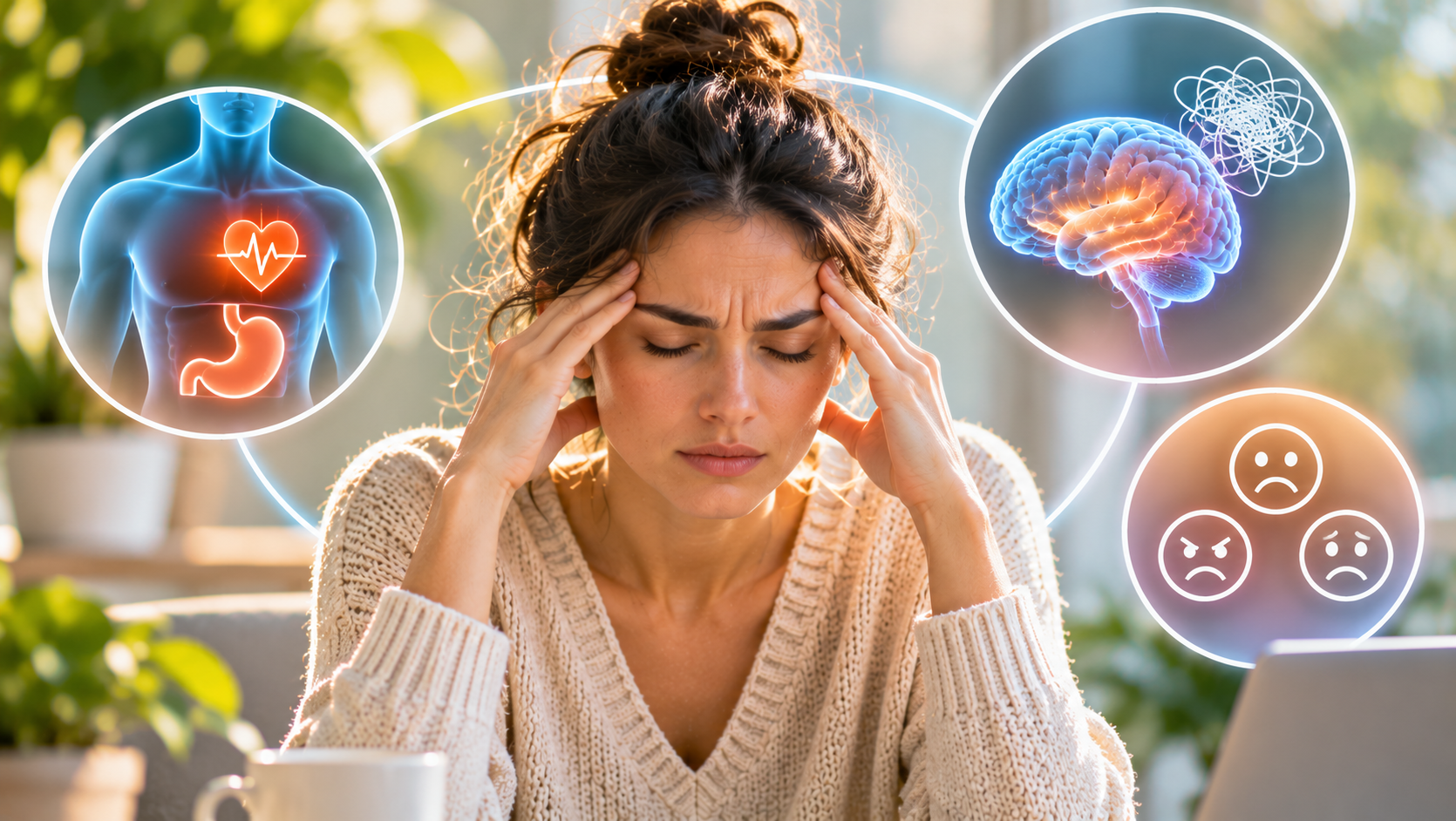

Stress is a normal reaction to life’s challenges, but not everyone recognizes how deeply it can affect physical and mental health. From everyday responsibilities to stressful situations like a car accident or natural disaster, the body’s reaction can influence overall well-being. Understanding the symptoms of stress is the first step toward recognizing emotional strain, managing stress effects, and protecting long-term health.
What are the Symptoms of Stress?
Symptoms of stress include physical, mental, emotional, and behavioral changes that occur when the body responds to pressure or challenging situations. Common signs include headaches, muscle tension, fatigue, anxiety, irritability, difficulty concentrating, digestive issues, and sleep problems. Symptoms vary depending on the individual, the source of stress, and how long it lasts. Short-term stress may cause temporary discomfort, while chronic stress can affect physical health, emotional well-being, relationships, and daily functioning. Prolonged stress can increase the risk of anxiety, depression, high blood pressure, and unhealthy coping behaviors, including substance abuse. Recognizing early warning signs can help individuals manage stress and seek support when needed.
Understanding Stress and How It Affects the Body and Mind
Stress is the body’s natural response to physical, emotional, or psychological demands. When a person experiences stress, the hypothalamus signals the adrenal glands to release adrenaline and cortisol, increasing heart rate, alertness, and energy levels. This response helps the body react to challenges or perceived threats.
Short-term stress can improve focus and motivation, but prolonged stress can disrupt normal body functions. Chronic stress affects brain activity, emotional regulation, immune function, and physical health, and while it can be useful in small doses, ongoing stress increases the risk of mental and physical health problems.
Common Causes and Triggers of Stress
Stress can develop from daily responsibilities, major life changes, or ongoing emotional pressure. Common causes include:
- Work pressure and job insecurity
- Financial difficulties
- Relationship and family conflicts
- Major life changes
- Chronic illness or physical pain
- Traumatic experiences
- Academic pressure
- Poor sleep and work-life balance
- Social isolation
- Substance use and addiction
Signs and Symptoms of Stress (Physical, Mental, and Emotional Signs)
Stress can cause physical, mental, emotional, and behavioral changes that vary in severity and duration.
Physical Symptoms
- Headaches and muscle tension
- Fatigue and low energy
- Digestive problems
- Rapid heartbeat
- Sleep disturbances
- Appetite changes
- Chest discomfort
Mental Symptoms
- Difficulty concentrating
- Racing thoughts
- Memory problems
- Constant worrying
- Poor decision-making
- Mental exhaustion
Emotional Symptoms
- Anxiety and nervousness
- Irritability and frustration
- Mood swings
- Feeling overwhelmed
- Sadness or hopelessness
- Loss of motivation
Behavioral Symptoms
- Social withdrawal
- Changes in eating habits
- Increased substance use
- Procrastination
- Restlessness
- Neglecting responsibilities
Acute Stress vs. Chronic Stress
Acute stress is a temporary response to immediate challenges, such as arguments, deadlines, or unexpected events. Symptoms include nervousness, sweating, increased heart rate, and difficulty concentrating, which typically improve when the situation ends.
Chronic stress occurs when stress continues for extended periods without adequate recovery. It can cause persistent fatigue, sleep problems, anxiety, and physical discomfort while increasing the risk of depression and cardiovascular problems.
How Stress Affects the Brain and Body
Stress activates the sympathetic nervous system, triggering the fight-or-flight response. The body releases cortisol and adrenaline, increasing heart rate, alertness, and blood flow to muscles while also making breathing faster. These changes help the body respond to perceived threats.
Prolonged stress can affect brain function, memory, decision-making, and emotional regulation. Over time, chronic stress can weaken the immune system and reduce the body’s ability to recover from illness or injury. It can also contribute to muscle tension, digestive problems, high blood pressure, increased anxiety, and flare-ups of existing conditions such as irritable bowel syndrome.
How Stress Affects Sleep, Energy, and Physical Health
Stress can disrupt sleep by increasing alertness and causing racing thoughts. Poor sleep can worsen fatigue, irritability, and concentration problems, creating a cycle of ongoing stress. Stress hormones can affect the digestive system, worsening acid reflux as hormone levels change.
Chronic stress can also contribute to headaches, digestive problems, muscle tension, and appetite changes. Over time, it may affect immune function, blood pressure, and cardiovascular health.
Prevalence and Statistics of Stress in the United States
Stress affects millions of Americans, with finances, employment, relationships, and health concerns among the most common triggers. According to the American Psychological Association’s 2023 Stress in America survey, approximately 75% of adults reported at least one physical or emotional stress-related symptom in the previous month. Stress levels vary based on age, income, employment, health conditions, and access to social support.
Effects and Risks of Stress
Short-Term:
- Headaches and muscle tension
- Increased heart rate
- Anxiety and irritability
- Difficulty concentrating
- Digestive discomfort
- Sleep disturbances
- Fatigue and appetite changes
Long-Term:
- Anxiety and depression
- High blood pressure
- Increased cardiovascular risk
- Chronic stress may contribute to heart attack risk
- Chronic sleep problems
- Persistent pain
- Digestive problems
- Changes in immune function
- Memory and concentration problems
- Substance misuse
- Relationship difficulties
Chronic stress can contribute to menstrual problems, sexual dysfunction, reduced sexual desire, weight gain, feeling tired, and poor heart health, while worsening symptoms of personality disorders.
Stress vs. Anxiety vs. Depression
Stress, anxiety, and depression can share symptoms but differ in their causes and effects. Stress typically develops in response to external pressures, while anxiety involves persistent worry or fear that may continue without an immediate threat. Depression is a mental health condition marked by ongoing sadness, loss of interest, fatigue, and changes in sleep or appetite. Chronic stress can contribute to both anxiety and depression, making early recognition and treatment important.
Stress and Co-Occurring Mental Health Disorders
Chronic stress can worsen existing mental health conditions and increase the risk of developing certain disorders. It can also affect the menstrual cycle, sometimes making periods irregular or more painful. Common co-occurring conditions include:
- Generalized Anxiety Disorder (GAD): Persistent worry, nervousness, and difficulty relaxing.
- Major Depressive Disorder (MDD): Ongoing sadness, fatigue, hopelessness, and loss of interest.
- Post-Traumatic Stress Disorder (PTSD): Trauma-related symptoms, including flashbacks, hypervigilance, and emotional distress.
- Panic Disorder: Recurrent panic attacks involving intense fear and physical symptoms.
- Obsessive-Compulsive Disorder (OCD): Intrusive thoughts and repetitive behaviors that may worsen during stressful periods.
- Bipolar Disorder: Stress may contribute to mood episodes and disrupt emotional stability.
- Substance Use Disorders (SUDs): Ongoing stress can increase substance cravings and relapse risk.
The Connection Between Chronic Stress and Substance Abuse
Chronic stress can increase the risk of substance misuse when individuals use alcohol or drugs to manage anxiety, emotional discomfort, or sleep problems. Common substances associated with stress-related misuse include:
- Alcohol: Used to relax but can worsen anxiety, depression, and sleep quality.
- Cannabis: May temporarily reduce tension but can increase anxiety, panic, or dependence risk.
- Opioids: Prescription painkillers or illicit opioids may be misused to escape emotional or physical discomfort.
- Benzodiazepines: Medications such as Xanax and Ativan can cause dependence when misused.
- Stimulants: Cocaine, methamphetamine, and misused prescription stimulants can worsen anxiety and sleep problems.
- Nicotine: Cigarettes and vaping products may provide temporary relief while reinforcing dependence.
Stress Symptoms and Their Impact on Daily Life and Relationships
Stress symptoms can interfere with work performance, relationships, and everyday responsibilities. Difficulty concentrating, fatigue, irritability, and emotional exhaustion may reduce productivity and increase conflicts with family, friends, or coworkers.
Chronic stress can also lead to social withdrawal, poor communication, reduced motivation, and unhealthy coping behaviors. Over time, these changes can affect relationship satisfaction, emotional stability, and overall quality of life.
Who Is Most at Risk of Chronic Stress?
Anyone can experience chronic stress, but people facing financial difficulties, demanding jobs, relationship conflicts, or caregiving responsibilities may face greater risks. Individuals with chronic illnesses, past trauma, limited social support, or existing mental health conditions are also more vulnerable. Poor sleep, substance use disorders, and ongoing emotional pressure can further increase the risk of prolonged stress.
How are Stress-Related Conditions Diagnosed?
Healthcare professionals assess stress-related conditions by reviewing symptoms, medical history, lifestyle factors, and emotional health. Evaluations may include physical examinations, mental health screenings, and questions about sleep, mood, and daily functioning.
Stress itself is not typically diagnosed as a mental health disorder, but chronic stress may contribute to conditions such as anxiety disorders, depression, and adjustment disorders. Providers may also perform medical tests to rule out physical conditions that cause similar symptoms.
Healthy Coping Strategies and Lifestyle Changes for Managing Stress
Managing stress involves reducing triggers, improving daily habits, and developing healthy ways to cope. Effective strategies include:
- Regular Exercise: Reduces tension and improves mood.
- Consistent Sleep: Supports emotional and physical recovery.
- Mindfulness and Meditation: Reduces stress and promotes relaxation.
- Balanced Nutrition: Supports energy and overall health.
- Time Management: Reduces pressure through realistic goals.
- Social Support: Talking with friends can help relieve stress and reduce isolation and emotional distress.
- Limiting Substances: Reducing alcohol, nicotine, and caffeine may improve symptoms.
- Relaxation Techniques: Yoga and stretching relieve physical tension.
- Professional Counseling: Helps identify triggers and build healthy skills.
Benefits of Stress Management and Early Intervention
Managing stress early can improve physical health, emotional stability, and daily functioning. Common benefits include:
- Reduced anxiety and emotional distress
- Improved sleep quality
- Better concentration and memory
- Increased energy and motivation
- Improved emotional regulation
- Reduced muscle tension and headaches
- Better blood pressure management
- Healthier relationships and communication
- Lower risk of substance misuse
- Improved overall quality of life
When to Seek Help
Professional help may be necessary when stress symptoms persist, worsen, or interfere with daily life. Warning signs include panic attacks, ongoing sadness, severe fatigue, increased substance use, and difficulty managing emotions. A healthcare provider can assess symptoms and recommend treatment. Severe chest pain requires emergency evaluation, while suicidal thoughts require immediate crisis support.
Treatment Options for Chronic Stress and Stress-Related Mental Health Conditions
Treatment focuses on reducing symptoms, addressing underlying conditions, and developing healthy coping skills. Common options include:
- Cognitive Behavioral Therapy (CBT): Changes negative thought patterns and stress responses.
- Dialectical Behavior Therapy (DBT): Builds emotional regulation and coping skills.
- Mindfulness-Based Stress Reduction (MBSR): Uses meditation and relaxation techniques.
- Individual Counseling: Addresses personal stressors and emotional challenges.
- Group Therapy: Provides peer support and coping strategies.
- Medication Management: Treats diagnosed anxiety or depression when appropriate.
- Outpatient Treatment: Provides therapy while maintaining daily responsibilities.
- Intensive Outpatient Programs (IOP): Offer structured mental health treatment.
- Partial Hospitalization Programs (PHP): Provide intensive daytime care.
- Residential Treatment: Offers 24-hour care for severe mental health conditions.
- Dual Diagnosis Treatment: Addresses mental health and substance use disorders together.
Does Insurance Cover Treatment?
Many health insurance plans cover treatment for diagnosed mental health conditions, including anxiety, depression, PTSD, and substance use disorders. Coverage may include therapy, medication management, outpatient programs, and residential care when medically necessary. Benefits depend on the insurance plan, provider network, medical necessity, deductibles, and prior authorization requirements.
Conclusion
Recognizing symptoms of stress can help prevent long-term stress from contributing to serious health issues, including cardiovascular disease, digestive problems, and mental health conditions. Whether you’re feeling stressed, experiencing symptoms, or struggling with constant stress, healthy coping strategies and professional support can provide stress relief. A mental health professional can help identify triggers, relieve stress, and improve overall well-being.
Seeking Treatment? We Can Help!
At California Prime Recovery, as an in-network provider we work with most insurance plans, such as:
- Tricare
- Blue Shield
- Magellan Health
- First Health Network
- The Holman Group
- Cigna
- Anthem BCBS
- Anthem Blue Cross
- Humana
- TriWest
- Halcyon
- HMC Healthworks
- Molina
- UnitedHealthcare
- Optum
- UMR
- And More
If you or a loved one are struggling with mental health challenges or substance abuse, reach out to California Prime Recovery today. Our team of compassionate professionals is here to support your journey towards lasting well-being. Give us a call at 866-208-2390.
Also, check our blogs posted weekly on Medium.