


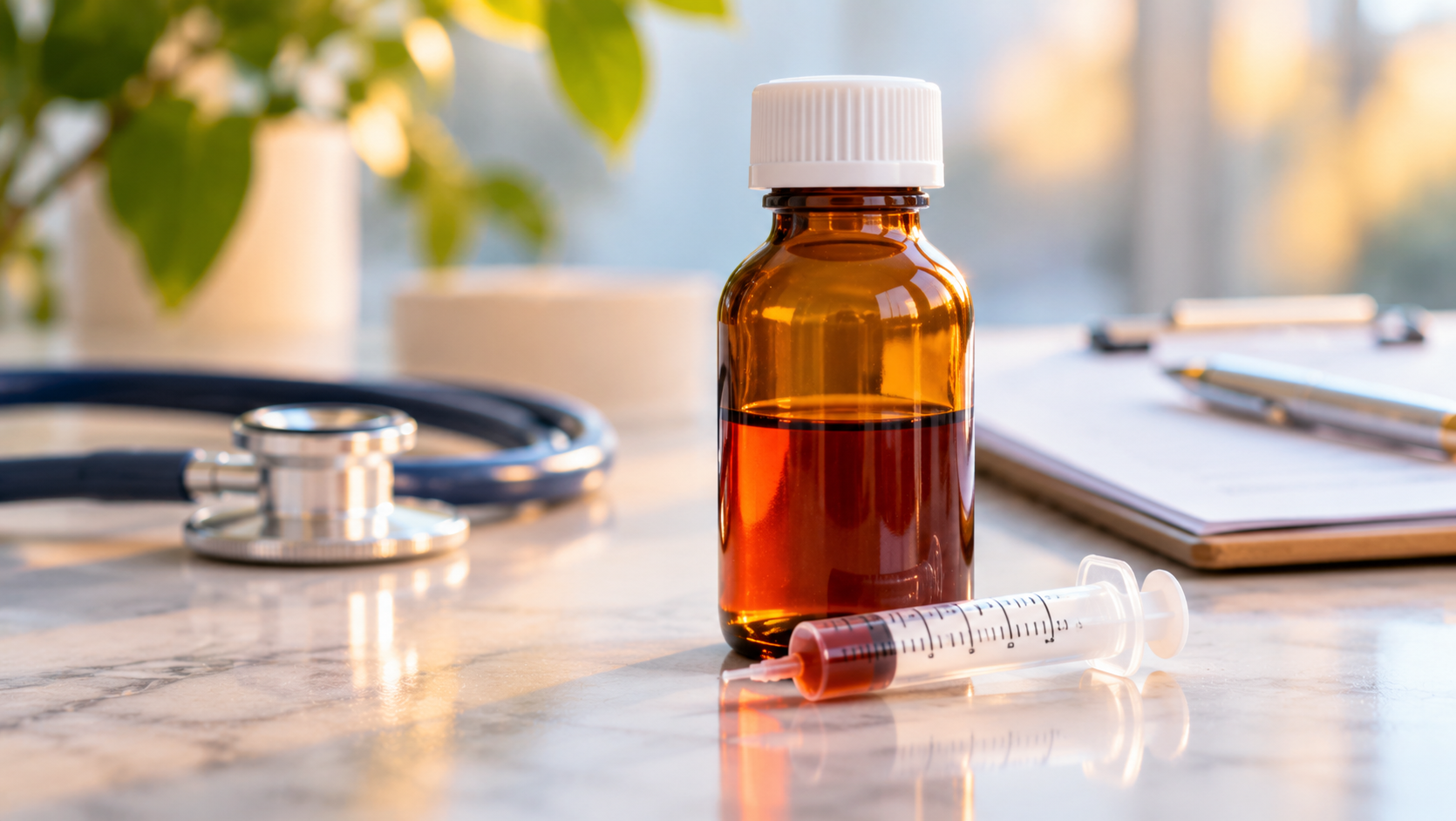

Roxanol is a powerful morphine sulfate solution used for pain control in patients experiencing severe acute pain or severe chronic pain. Available in concentrated strengths such as 20 mg/mL, this opioid medication requires careful dosing due to potential drug interactions, adverse reactions, and physical and psychological dependence. Understanding how Roxanol compares with other opioid analgesics can help patients recognize its medical uses, safety concerns, and addiction risks.
What Is Roxanol?
Roxanol is a brand name associated with a concentrated oral solution of morphine sulfate, a powerful opioid pain medication used to manage severe pain that requires opioid treatment. It works by binding to opioid receptors in the brain and central nervous system, changing how the body perceives and responds to pain. Roxanol is commonly used in hospice and palliative care to relieve severe pain and improve patient comfort. As a Schedule II controlled substance, Roxanol carries significant risks of physical dependence, addiction, respiratory depression, and overdose, especially when misused or taken without medical supervision.
What Is Roxanol Used For?
Roxanol is a concentrated morphine sulfate oral solution used to manage severe pain that requires opioid treatment when alternative pain medications are inadequate. It is commonly used in hospice care, palliative care, and the treatment of severe cancer-related pain. Doctors may prescribe concentrated morphine solutions for patients who have difficulty swallowing pills or require carefully measured liquid doses. Roxanol is available in liquid dosage forms for patients with trouble swallowing, unlike morphine extended release capsules, which have different dosing requirements.
How Is Roxanol Administered and Dosed?
Roxanol is administered orally as a liquid solution using a calibrated oral syringe or dosing device to ensure accurate measurement. Dosage depends on pain severity, previous opioid exposure, medical history, and individual response to treatment.
Roxanol dosing may range from 10–30 mg every 4 hours, with careful mg/mL measurement. Morphine has a 2–3-hour half-life and may cause pruritus, urticaria, or interactions with MAO inhibitors and coumarin anticoagulants. Concentrated morphine solutions require careful dosing because measurement errors can cause life-threatening respiratory depression or overdose. Elderly patients, ambulatory patients, and those with weight loss or depleted blood volume may need closer monitoring during treatment with narcotic analgesics; such patients should follow prescribed dosing instructions and consult their doctor about a missed dose during such treatment.
Signs and Symptoms of Roxanol Abuse
Roxanol misuse can cause physical, behavioral, and psychological changes, especially when taken in higher doses or without medical supervision.
- Excessive drowsiness or sedation
- Pinpoint pupils
- Slurred speech
- Confusion or impaired judgment
- Frequent requests for early prescription refills
- Taking larger doses than prescribed
- Using Roxanol without a prescription
- Cravings for morphine
- Neglecting personal responsibilities
- Withdrawal symptoms between doses
- Continued use despite harmful consequences
How Roxanol Affects the Central Nervous System, Brain, and Body
Roxanol affects the central nervous system by binding to mu-opioid receptors in the brain and spinal cord, reducing pain signals and changing pain perception. It can also produce relaxation, sedation, and euphoria while slowing breathing, digestion, and other bodily functions. Repeated use can change the body’s response to opioids, increasing the risk of tolerance, physical dependence, and addiction.
Is Roxanol the Same as Morphine?
Yes, Roxanol is a brand name associated with morphine sulfate oral solution, meaning morphine is its active ingredient. Both medications produce the same opioid effects, including pain relief, sedation, and respiratory depression. However, morphine is available in several formulations and strengths, while Roxanol is specifically associated with concentrated liquid morphine.
What are the Medical Benefits of Roxanol?
Roxanol provides effective pain relief for patients experiencing severe or persistent pain that cannot be adequately managed with alternative medications. Its liquid formulation allows healthcare providers to measure doses accurately and may benefit patients who have difficulty swallowing tablets. In hospice and palliative care, Roxanol can improve comfort, reduce severe pain, and support quality of life when used under medical supervision.
Is Roxanol Addictive?
Yes, Roxanol contains morphine, a Schedule II opioid with a high potential for misuse and addiction. Repeated use can affect the brain’s reward system, leading to cravings, compulsive drug use, and difficulty controlling consumption despite harmful consequences. Addiction can develop even with prescribed use, although physical dependence alone does not indicate an opioid use disorder.
How Does Roxanol Dependence Develop?
Roxanol dependence develops when the body adapts to repeated morphine exposure and begins relying on the medication to function normally. Over time, some individuals develop tolerance, requiring higher doses to achieve the same effects, although tolerance and dependence are separate processes. Suddenly stopping or reducing Roxanol after physical dependence develops can trigger opioid withdrawal symptoms, including sweating, nausea, anxiety, muscle aches, and restlessness.
Prevalence of Roxanol Misuse
Roxanol-specific misuse statistics are limited because national surveys generally track prescription opioid misuse rather than individual morphine brands. According to the 2023 National Survey on Drug Use and Health, approximately 8.6 million Americans aged 12 or older misused prescription pain relievers within the past year. Morphine is included among prescription opioids associated with misuse, dependence, and opioid use disorder, although these national figures do not represent Roxanol use alone.
Effects and Risks of Roxanol Use
Short-Term:
- Pain relief and relaxation
- Drowsiness and sedation
- Nausea and vomiting
- Constipation
- Dizziness and confusion
- Pinpoint pupils
- Low blood pressure
- Slowed breathing
- Impaired coordination
- Respiratory depression and overdose
Long-Term:
- Physical dependence
- Opioid tolerance
- Morphine addiction
- Chronic constipation
- Hormonal changes
- Sleep disturbances
- Increased sensitivity to pain
- Withdrawal symptoms
- Reduced daily functioning
- Increased overdose risk, particularly with misuse or sedative combinations
What Happens When Roxanol Is Mixed With Alcohol, Drug Interactions, or Other Drugs?
Mixing Roxanol with alcohol, prescription medications, or illicit drugs can cause dangerous interactions, respiratory depression, and fatal overdose. Certain substances increase morphine’s sedative effects or create unpredictable reactions.
- Alcohol: Increases sedation, breathing problems, and overdose risk.
- Benzodiazepines: Xanax, Valium, and Ativan can cause respiratory depression and coma.
- Other Opioids: Fentanyl, oxycodone, heroin, and hydrocodone increase overdose risk.
- Sleep Medications: Ambien and Lunesta intensify sedation and breathing difficulties.
- Muscle Relaxants: Flexeril and Soma increase drowsiness and respiratory depression.
- Gabapentinoids: Gabapentin and pregabalin increase the risk of breathing problems.
- Antidepressants: Certain antidepressants may cause dangerous interactions, including serotonin syndrome.
- Stimulants: Cocaine and methamphetamine can mask sedation without preventing overdose.
What are the Mental Health Effects of Roxanol Misuse?
Roxanol misuse can affect mood, memory, concentration, and emotional regulation by altering the brain’s reward and stress systems. Repeated misuse may contribute to anxiety, depression, irritability, emotional instability, and psychological dependence. Long-term misuse can worsen existing mental health conditions and increase social isolation.
How are Roxanol Addiction and Co-Occurring Mental Health Disorders Connected?
Roxanol addiction can occur alongside mental health disorders, creating a dual diagnosis. Some individuals misuse morphine to manage emotional distress, while continued opioid misuse may worsen psychiatric symptoms.
Common co-occurring disorders include:
- Depression: Persistent sadness, hopelessness, and low motivation.
- Generalized Anxiety Disorder (GAD): Excessive worry and chronic anxiety.
- Post-Traumatic Stress Disorder (PTSD): Trauma-related distress and emotional triggers.
- Bipolar Disorder: Mood instability and impulsive behaviors.
- Panic Disorder: Recurrent panic attacks and intense fear.
- Social Anxiety Disorder: Persistent fear of social situations.
How Is Roxanol Addiction Diagnosed?
Roxanol addiction is diagnosed using DSM-5-TR criteria for opioid use disorder (OUD). Healthcare professionals assess cravings, loss of control, continued misuse, and negative consequences. Diagnosis generally requires at least two qualifying symptoms within 12 months, excluding tolerance and withdrawal alone during appropriate medical treatment.
What are the Withdrawal Symptoms and Timeline of Roxanol Withdrawal?
Roxanol withdrawal occurs when someone physically dependent on morphine stops or reduces use. Symptoms may begin within 6–12 hours, peak within 1–3 days, and improve within 5–7 days, although timelines vary.
Common symptoms include:
- Anxiety and irritability
- Muscle aches
- Sweating and chills
- Nausea and vomiting
- Diarrhea
- Insomnia
- Runny nose and watery eyes
- Dilated pupils
- Increased heart rate
- Opioid cravings
- muscle spasms
Severe symptoms may require prompt medical attention if they escalate. Medical supervision can help manage withdrawal symptoms and prevent complications.
Roxanol Overdose Symptoms and What to Do
A Roxanol overdose can cause life-threatening respiratory depression, unconsciousness, and death. Common symptoms include slow or stopped breathing, pinpoint pupils, blue or gray lips, cold skin, gurgling sounds, a weak pulse, unresponsiveness, extreme somnolence progressing to stupor or coma, and skeletal muscle flaccidity; severe overdose can also lead to respiratory arrest, circulatory depression, or cardiac arrest. If an overdose is suspected, take immediate action:
- Call 911: Request emergency medical assistance.
- Administer Naloxone: Give Narcan if available when there is clinically significant respiratory or cardiovascular depression, and repeat as directed.
- Support Breathing: Follow dispatcher instructions for CPR or rescue breathing.
- Recovery Position: Place an unconscious person who is breathing normally on their side.
- Stay With Them: Monitor breathing until emergency responders arrive.
- Avoid Unsafe Actions: Do not induce vomiting or give additional substances.
How Can Roxanol Be Used Safely?
Roxanol requires accurate dosing with a calibrated oral syringe, and the initial dose may be lower for elderly or medically fragile patients. Combining morphine with other central nervous system depressants increases sedation and breathing risks, even at usual therapeutic doses. Patients should avoid alcohol, keep naloxone available, and consult a doctor before changing treatment.
Patients with chronic obstructive pulmonary disease, sleep apnea, head injuries, brain tumors, convulsive disorders, or acute alcoholism face increased risks. Very serious side effects include severe hypotension, stomach pain, unusual tiredness, trouble sleeping, an abnormal sleep pattern, and a serious allergic reaction. Such drugs affect the gastrointestinal tract, decrease respiratory drive, and may elevate cerebrospinal fluid pressure in patients with increased intracranial pressure, while pregnancy exposure risks fetal harm and neonatal withdrawal syndrome.
When to Seek Help
Professional treatment may be necessary when Roxanol use causes cravings, withdrawal symptoms, loss of control, or problems with daily responsibilities. Taking higher doses than prescribed or continuing misuse despite harmful consequences may indicate opioid addiction. Early treatment can reduce overdose risks and address co-occurring mental health conditions.
Roxanol Abuse Treatment Options
Roxanol addiction treatment focuses on managing withdrawal, reducing cravings, and preventing relapse. Options include:
- Medical Detox: Manages withdrawal symptoms under medical supervision.
- Medication-Assisted Treatment (MAT): Uses buprenorphine, methadone, or naltrexone when appropriate.
- Residential Treatment: Provides structured, live-in addiction care.
- Partial Hospitalization Programs (PHP): Offer intensive daytime treatment.
- Intensive Outpatient Programs (IOP): Provide scheduled therapy with flexible living arrangements.
- Outpatient Treatment: Offers ongoing counseling and recovery support.
- Cognitive Behavioral Therapy (CBT): Addresses triggers and harmful behaviors.
- Dual Diagnosis Treatment: Treats addiction alongside mental health disorders.
- Support Groups: NA and SMART Recovery provide peer support.
- Relapse Prevention: Develops strategies for maintaining recovery.
Does Insurance Cover Treatment?
Many insurance plans cover Roxanol addiction treatment, including medical detox, residential care, outpatient programs, and medications for opioid use disorder. Private insurance, Medicaid, and Medicare may provide benefits depending on the plan and medical necessity. Coverage varies by provider network, deductibles, copayments, and authorization requirements.
Conclusion
Roxanol can provide effective pain relief, but misuse or incorrect dosing can lead to drug dependence, severe constipation, respiratory depressant effects, and opioid overdose. Combining Roxanol with alcohol, prescription drugs, or other CNS depressants increases the risk of profound sedation, trouble breathing, and life-threatening complications. Following the medication guide, taking the correct dose, and recognizing serious side effects can help reduce risks, while professional treatment can address opioid addiction and support recovery.
Seeking Treatment? We Can Help!
At California Prime Recovery, as an in-network provider we work with most insurance plans, such as:
- Tricare
- Blue Shield
- Magellan Health
- First Health Network
- The Holman Group
- Cigna
- Anthem BCBS
- Anthem Blue Cross
- Humana
- TriWest
- Halcyon
- HMC Healthworks
- Molina
- UnitedHealthcare
- Optum
- UMR
- And More
If you or a loved one are struggling with mental health challenges or substance abuse, reach out to California Prime Recovery today. Our team of compassionate professionals is here to support your journey towards lasting well-being. Give us a call at 866-208-2390.
Also, check our blogs posted weekly on Medium.